

När du har bokat resan till ett mysigt resmål i Spanien vill du kanske även boka en hyrbil. Det gör du enkelt genom att gå in på olika sajter som erbjuder att hitta den billigaste och bästa hyrbilen. Där kan du sedan i lugn och ro jämför priser och liknande för att sedan komma fram till var du ska hyra din bil. Dessutom kan du också surfa in på firmornas egna hemsidor för att utforska vad de har att erbjuda.
Att tänka på när du hyr bil utomlands
Det finns några saker du bör tänka på vid bilhyrning enligt Motormännen. Antingen hyr du direkt hos en firma exempelvis Avis, Budget, Hyrbilspanien, eller Hertz eller hos en förmedlare som fungerar som en mellanhand. Fördelen att hyra direkt hos en firma är att du endast får ett avtal att hålla reda på. Åldersgräns är också något du behöver tänka. Är du under 21 år är det nästan helt omöjligt att hyra en bil och helst ska du vara över 25 år för att slippa extra avgifter.
Hyrbilspriserna kan vara riktigt knepiga. Vanligtvis är grundpriserna väldigt låga och tillvalen dyra. Dessutom erbjuds tillvalen först när du hämtar bilen, vilket gör att det slutgiltiga priset kan vara svårt att få reda på. Att boka i förväg ger i regel det bästa priset. En sak som också är mycket viktig att ha i samband med en hyrbil är en försäkring. Du får alltid en trafikförsäkring inräknad i hyrpriset, men försäkringen kan skilja sig åt. Därför bör du ta reda på vad som ingår i försäkringen.
- Ettavtal
- Åldersgränsföratthyrabil
- Vadingåripriset?
- Bokaiförväg = lägrepris
- Vadingåriförsäkringen?
Speciellbränslepolicy
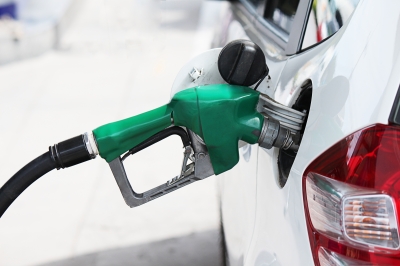 När du ska hyra bil i Spanien får du vara beredd på att biluthyrare såsom Goldcar och andra inhemska biluthyrare har en speciell bränslepolicy. De bilarna som är billigaste att hyra har vanligtvis en speciell policy för bränsle. Det kan nämligen vara så att i samband med att du hämtar bilen får du betala för bensinen/dieseln. Därför bör du känna till det innan så att du inte får en obehaglig överraskning när du hämtar bilen. Kostnaden kan exempelvis ligga mellan 16 – 42 euro beroende bilstorleken.
För att du ska få reda på vad biluthyraren har för policy ska du enligt ta en närmare titt under fliken “Bränslepolicy” i hyresvillkoren när du söker efter företag som hyr ut bilar i Spanien. Du kan slippa detta om du väljer en hyrbil som har en policy som innebär full-till-full. Därför ska du helst undvika de uthyrare som inte erbjuder full-till-full. Först efter att du har tagit reda på vilken bränslepolicy som företagen har får du reda på var någonstans det är billigast att hyra en bil.
Dags att boka hyrbil
När det är dags att boka en bil inför din resa till Spanien finns det några saker du bör ha i åtanke för att det ska underlätta för dig. Om du har möjlighet bör du inte välja avlämningstid, för det kan innebära att du behöver betala för ett extra dygn. Ibland måste du fylla i det, men undvik det om du kan. Välj vilken storlek på bil du vill ha, är du ute efter en kompakt, mellanklass eller full-size, det gäller att alla får plats.
Hur många är det som ska åka i bilen? Därför är det viktigt att se till att det är säten till alla i bilen. Ingår det fri körsträcka i hyran och ingår det inte fria mil kan det bli dyrt. Något som är extra viktigt för dig är var hyrbilen ska hämtas. Det enklaste och smidigaste är om du ska ha bilen under hela din semester är att du hämtar den redan på flygplatsen, men vill du hellre hämta hyrbilen vid hotellet funkar även det.
- Väljinteavlämningstid
- Vilken bilstorlek du vill ha?
- Tillräckligt med säten
- Fri körsträcka
- Vart vill du hämta hyrbilen?
Bästa tipsen inför att hyra bil
 Det är aldrig fel att ta del av goda råd och tips inför att du ska hyra bil utomlands. Vem vet, du kanske får reda på något som du inte har tänkt på innan. En sak som alltid är bra är att föraren har sitt kreditkort med sig. Då bör det helst vara ett kreditkort som har en självriskeliminering. Detta kan vara viktigt om det mot förmodan skulle hända något, speciellt om det är första gången du hyr en bil utomlands.
Deposition är på olika mycket, så det kan vara all idé att ha koll på hur mycket utrymme det finns på förarens kreditkort i samband med att du och ditt ressällskap ska hämta hyrbilen. Även om det ingår en försäkring i hyran av bilen kan biluthyraren locka med att du ska köpa till försäkringar när du är på plats. Detta är ett av de vanligaste knepen till att låta kunden betala mer än vad de egentligen behöver göra. Såhållkollpåvilkaförsäkringar du har innan.
- Bilförarenskreditkort
- Ha utrymme för depositionen på kreditkortet
- Ha koll på vilka försäkringar du har
Köra bil i Spanien
Något du bör beakta, speciellt om du är en ovan bilförare, är att tempot i trafiken är helt annorlunda i Spanien. Detta gäller särskilt i storstäderna, men vägarna är mer olycksdrabbade i landet jämfört med Sverige. Det finns större vägar med två filer och bilarna kör från 80 km/h, väg A-7 längs södra Spanien har inte några på- och avfartsvägar. Du kör direkt in på vägen i högerfilen. Därför gäller det att du accelererar snabbt när du kör på och bromsar snabbt när du svänger av den stora vägen.
Du får vara beredd på att du får betala vägtullar på vissa av de större motorvägarna. Ha koll på vägskyltarna eftersom det står om det finns en tull eller inte. Gillar du rondeller så är Spanien det rätta landet för dig. Vart du än kör, finns det rondeller. Du behöver inte ha halvljuset på under dagtiden, men är inte olagligt att ha på. Därför bör du tänka på att slå på ljuset i samband när det är dags att köra på kvällen när det är mörkt.